
General liability insurance for a roofing contractor pays damages the contractor is legally obligated to pay for bodily injury, property damage and personal and advertising injury to other people, up to the policy limits. The Insurance Information Institute says the insurer has a duty to defend a lawsuit seeking damages for a covered type of injury or damage.
The coverage parts
A liability form is organized around a few coverage parts. The Insurance Information Institute describes three triggers: bodily injury, property damage and personal and advertising injury. It defines personal and advertising injury as including libel, slander or any defamatory or disparaging material, violations of an individual’s right of privacy, wrongful entry or eviction, and false arrest or wrongful detention.
For a roofer, bodily injury and property damage do the daily work. A ladder falls on a passerby, a torch ignites a neighbor’s structure, a dropped bundle damages a car: each is a third-party injury or damage claim. The Small Business Administration describes general liability as protecting against financial loss from bodily injury, property damage, medical expenses, libel, slander, defending lawsuits and settlement bonds or judgments. The general liability coverage page walks the policy.
Premises and operations
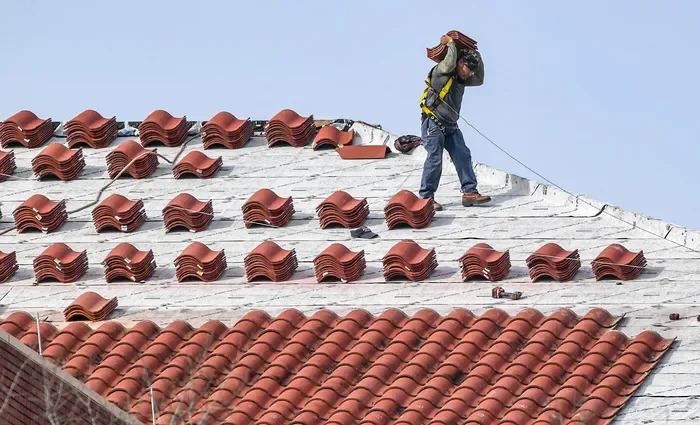
Premises and operations describes liability that arises while you work or at a location you control: the claim from a visitor injured at the shop, or from a person hurt or a building damaged while the crew is on a roof. It is the coverage that responds while the job is underway. It matters on the job site, where the public, the building and the weather all meet the crew.
Ask your agent how the form treats the work you do, such as hot work, work at height and work on occupied buildings. The hot work post explains why torch-applied work gets its own scrutiny.
Products and completed operations
When the crew leaves, the exposure does not end. The National Association of Insurance Commissioners glossary defines completed operations liability as coverage for contractors’ liability to people who have incurred bodily injury or property damage from defective work or operations completed or abandoned by or for the insured, away from the insured’s premises.
The Insurance Information Institute says property damage or bodily injury is covered when it is caused by an occurrence, is in the coverage territory and is during the policy period. For roofing, the trigger and the timing of a leak claim are the crux. The completed operations post goes through the roof leak case in detail and explains where the coverage seam sits.
Real-World Scenario: A roofing contractor repairs a flat roof on a small commercial building. Months later, water enters and damages the tenant’s inventory. The tenant makes a claim. The owner who read the form before signing knows what the products-completed operations part says and which exclusions sit near it. The owner who did not is reading the exclusions for the first time, with a lawyer and the carrier.
Personal and advertising injury, and medical payments
Two parts get less attention. Personal and advertising injury covers the offenses listed above. For a roofer, it is the claim from a competitor or former customer that does not involve a roof at all. The coverage is real, and it is rarely the reason an owner buys the policy.
Medical payments is different. The Insurance Information Institute says medical payments coverage pays medical expenses for bodily injury to third parties that occurs on premises you own or rent or as a result of your operations regardless of fault. It also notes that medical payments gets the payments to people without their having to file a lawsuit. Ask your agent what the medical payments limit is and how it interacts with a claim.
What it does not cover: exclusions that often appear, so read the form
The Insurance Information Institute says a number of situations, people and circumstances are excluded from standard businessowners liability coverage. It lists injuries to employees, pollution or professional services liability, auto liability and damage to your own property. A stand-alone general liability form is a different document, and exclusions often appear on it as well, so read the form itself rather than a summary.
For roofers, the exclusions to look for include the cost of redoing your own work, injury to your employees, vehicle liability, pollution, professional services, and anything the endorsements remove. The faulty workmanship exclusion post explains the one that surprises owners. Pollution, professional liability and installation floaters are ask-us exposures, and they depend on your work and your contracts.
The duty to defend and the limits
The Insurance Information Institute says the insurer has a duty to defend the insured in any lawsuit seeking damages for a covered type of injury or damage, and that the cost of providing a defense is not part of the policy’s coverage limits. That description is of a businessowners form, so read your own policy to see how defense costs are treated.
Limits are the other half. A contract can ask for specific limits and for additional insured status, and an umbrella or excess policy can add limits above the base policy. See the additional insured post for the endorsement and the umbrella and excess post for added limits.
Who is insured, and the limits that cap the payment
The Insurance Information Institute says liability coverage insures the named business owners only with respect to their duties on behalf of the business, and that employees and volunteer workers are insured for acts committed within the scope of their employment. For a roofing company, that is the crew on the roof: their acts within the job are within the policy’s reach, subject to its terms. Ask who is an insured on your form, how a subcontractor is treated and what the form says about independent contractors.
The limits are the other half of the question. The Institute says the limits are the most the insurer will pay, regardless of the number of persons or organizations making claims or bringing suits. A roofing contract can ask for a limit above the base policy, and the umbrella and excess post covers how added limits work. Compare the limits on the declarations page with the exhibits in the contracts you sign, line by line.
Occurrence, the policy period and when you must report
A liability form turns on timing. The Insurance Information Institute defines an occurrence in the businessowners form it describes as an accident, including continuous or repeated exposure to substantially the same harmful conditions. It also says the standard form covers only injuries and damages that you or an authorized employee come to know about within the policy period.
For a roofer, timing is the practical lesson. A leak that appears after the policy changes, a complaint received but not reported and a job completed under one policy and claimed under another are the situations where wording decides the outcome. Report a claim or a circumstance to the agent as soon as you know about it, in writing, and keep a copy. The Institute notes that the insurer may investigate any event that has led to a liability claim, so cooperate and keep the job file.
Deductibles and who pays first
The same guide says the insurer pays damages subject to your deductible. The National Association of Insurance Commissioners glossary defines a deductible as the portion of the insured loss paid by the policy holder. A roofing owner should know the number on the declarations page before a claim, because the first dollars of a property damage claim come from the business.
Ask whether the deductible applies to damage, to defense or to both, and whether it differs by coverage part. Keep enough cash flow in reserve to absorb it, since a claim that begins on a Friday does not wait for the next invoice to be paid.
Questions to ask your agent
- Does the form include products and completed operations, and how does it define when work is completed?
- Is the policy written on an occurrence basis, and what is the policy period?
- Which exclusions and endorsements are on the policy, and which ones touch roofing work?
- What are the limits per occurrence and in total, and what limits do my contracts require?
- What is the medical payments limit, and when does it apply?
- Are pollution, professional liability and an installation floater things I should discuss?
- Can you issue a certificate and the additional insured endorsements my contracts ask for?
See what insurance a roofing contractor should have for the full checklist and the roofing insurance hub for how the coverage fits together. To review your own form, use the quote page. Sources: the Insurance Information Institute’s liability insurance guide, the Institute’s small business basics, the Small Business Administration’s business insurance guide and the National Association of Insurance Commissioners’ glossary. This post is general education, not legal or tax advice.