Coverage line
Commercial Auto Insurance for Roofing Contractors
The coverage for the crew trucks and trailers a roofing operation runs between the shop and the jobsite every working day — hauling crews, tear-off debris, ladders, materials, and equipment. Auto liability for the at-fault accident, physical damage for the trucks themselves, and hired-and-non-owned auto for the borrowed or personal truck driven for the business.
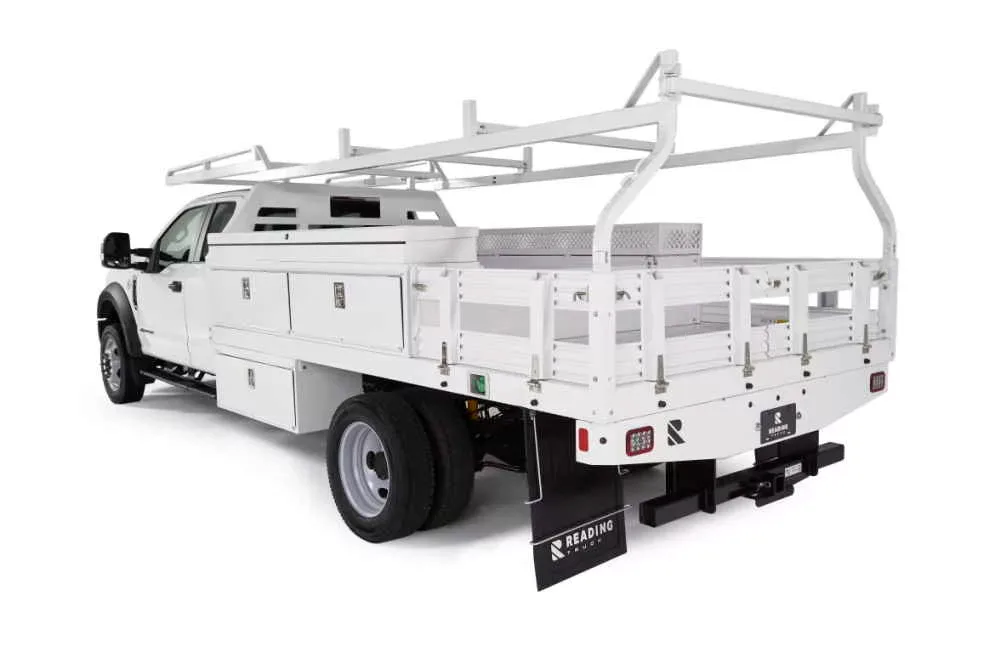

A roofing operation is a mobile trade. Before a single shingle is fastened, the trucks have to get the crew, the material, and the equipment to the jobsite — and at the end of the day they haul the tear-off debris away and bring everyone home. Those crew trucks and trailers run the roads every working day, loaded and in traffic, and that daily road exposure is what commercial auto is built to answer. It is the coverage that stands between an at-fault accident on the way to a job and a claim your business pays out of pocket.
This page walks the two halves of the coverage — auto liability for the harm your driver can do to others, and physical damage for the trucks and trailers themselves — then covers the exposure owners most often miss: the crew member or sub who drives his own truck for the business. It closes by drawing the honest seams where commercial auto stops and its neighbors begin, because a loaded roofing truck sits at the intersection of three coverage lines, and knowing which one answers a given loss is the difference between a paid claim and a surprise.
What commercial auto covers on a working roofing fleet
Commercial auto covers the vehicles your roofing business owns and puts on the road for work — the pickups and flatbeds that carry crews and material, the trucks and dumps that move tear-off, and the trailers hauled behind them. Whether a vehicle is covered, and for what, is set by the covered-auto symbols shown on your policy’s declarations, so the trucks and trailers you run have to be scheduled correctly against the coverage you buy — a detail worth reading before a loss, not during one.
The exposure is not exotic; it is the everyday risk of a working fleet. A crew truck rear-ends a car on the way to a job. A flatbed clips a parked vehicle backing into a tight driveway. A truck is stolen out of the yard overnight, or a hailstorm — the same weather that drives your re-roof volume — dents every hood on the lot. Commercial auto responds to those events, on the liability side and the physical-damage side both, and to the legal defense an at-fault accident brings with it.
The two halves: auto liability and physical damage
Commercial auto is really two coverages under one policy, and a roofing operation needs both working together.
Auto liability answers for the harm your driver does to others. When someone on your business is at fault in an accident, auto liability responds to the third-party bodily injury and property damage that results — the other driver and their passengers, their vehicle, and whatever your truck damages when it leaves its lane. This is the coverage the law requires you to carry and that your general contractors and project owners insist on before they let your trucks onto a site — the coverage that turns a serious at-fault accident from a business-ending event into a claim the carrier defends and pays.
Physical damage answers for your own truck or trailer, and it comes in two parts. Collision pays to repair or replace the vehicle when it collides with another vehicle or object or overturns. Comprehensive — sometimes called other-than-collision — pays for the losses that are not a collision: theft, fire, vandalism, a falling tree limb, and the hail that a roofing region sees plenty of. For a roofing business the trucks are working capital — a crew truck out of service idles a crew — so physical damage is not a luxury on a fleet you run every day.
Hired and non-owned auto: the borrowed-truck gap
Here is the exposure owners miss most, because it does not involve a truck with your name on the door. A crew member runs to the supply house in his own pickup to grab material. A foreman uses his personal truck for a job errand. You rent a truck for a big tear-off week, or borrow a trailer to move a machine. In each case a vehicle is being driven for your business — and if it causes an accident, your business can be named in the claim even though you never owned the vehicle.
The trap is the assumption that a personal auto policy has it covered. A personal policy may not respond when the vehicle is being used for business, and even where it does, its limit can be exhausted fast, leaving your business exposed for the rest. Hired-and-non-owned auto — HNOA — is built to close exactly this gap. In the standard Business Auto Coverage Form — commonly the ISO form known as CA 00 01 — this coverage is switched on with covered-auto symbols: the non-owned autos symbol (commonly symbol 9) extends your business’s auto liability to vehicles you do not own but that are driven for the business, such as an employee’s personal truck on a work errand, and the hired autos symbol (commonly symbol 8) does the same for a vehicle you rent, lease, or borrow. Whether your policy carries these symbols, and at what limit, depends on how the declarations are actually written — which is what we check against how your crews really operate before binding.
Be plain about what HNOA does and does not do. It protects your business’s liability when a non-owned or hired vehicle is driven for you; it is not physical-damage coverage on an employee’s personal truck, and it does not turn a crew member’s personal policy into a business auto policy. What it does is keep the borrowed-truck errand — the one nobody thinks about until it goes wrong — from becoming an uninsured claim against the business.
Where commercial auto stops: the seams that matter
A loaded roofing truck is the point where three coverage lines meet, and naming the line between them honestly is the whole point — because an owner who assumes the auto policy answers for everything on the truck finds the gap during a claim. Commercial auto covers the vehicles: the trucks and trailers, on the road, on the liability side and the physical-damage side. Two neighbors pick up where it stops.
The road-versus-roof seam — general liability. Commercial auto answers the trucks on the road; it does not answer the roofing work. When a roof you installed leaks downstream, when a torch-down operation starts a fire, or when tear-off debris hurts a bystander at the jobsite, that is the work and the harm it causes — and that runs through general liability, a separate line. Put simply: general liability answers the work and the harm on the roof; commercial auto answers the trucks on the road. The two are written together, and reading the line between them is part of building the program.
The truck-versus-cargo seam — contractors equipment. The truck and the trailer are auto, but the tools, ladders, harnesses, and materials carried on or in the truck are covered by contractors equipment — an inland marine line — not auto physical damage. If a standing-seam machine is stolen off the flatbed, or a load of material falls and is destroyed, that is a contractors equipment claim, not a commercial auto one. Auto physical damage answers the truck itself; contractors equipment answers what the truck is carrying. When you load a crew truck in the morning, you are loading two coverage lines onto one vehicle.
One more neighbor: an injury to your own driver or crew in an accident is a workers compensation matter — workers compensation answers your own people, while auto liability answers the third parties your driver harms.
Why roofing contractors need it
Commercial auto is non-negotiable for a roofing business: you cannot run the trade without the trucks, an at-fault accident with a loaded crew truck can produce a serious third-party claim, and it is coverage your general contractors and project owners require before your trucks ever reach the site. Because the fleet differs by the roofing you do, the policy has to fit the operation. A Residential Roofing contractor runs pickups and trailers between many residential jobs in a season, with the storm and re-roof volume that puts more truck-miles on the road when the weather turns. A Commercial and Industrial Roofing operation adds heavier trucks and equipment trailers for low-slope and flat work, and the higher auto-liability limits that larger commercial contracts and project owners demand. A Specialty, Metal, and Tile Roofing contractor hauls high-value material and fabrication equipment where the physical-damage and cargo lines both matter. Writing all three off one generic auto policy misprices the exposure. We rate each to the real fleet.
What commercial auto responds to
These are the categories underwriters expect on a roofing commercial auto file — described qualitatively, with every claim handled by the carrier and no fabricated cost or frequency figures.
- Auto liability for an at-fault accident. Third-party bodily injury and property damage when a driver on your business is at fault — the other driver, their passengers, their vehicle, and property struck by your truck or trailer, plus the legal defense.
- Physical damage on your trucks and trailers. Collision for a vehicle that hits or is hit or overturns, and comprehensive for theft, fire, vandalism, falling objects, and hail on the crew trucks, flatbeds, dumps, and trailers you own.
- Hired-and-non-owned auto (HNOA). Your business’s liability when a crew member or sub drives a personal vehicle for the business, or when you rent, lease, or borrow a truck or trailer for a job.
- Trailer and towed-unit exposure. The equipment and material trailers a roofing operation tows behind its trucks, scheduled on the policy alongside the power units that pull them.
- Contract and certificate obligations. The auto-liability limits and additional-insured requirements a general contractor, developer, or project owner sets before your trucks are allowed onto the site.
Limits and structure
Commercial auto is usually written with a combined single limit for auto liability, plus separate physical-damage terms — comprehensive and collision, each with its own deductible — on the vehicles you schedule. The structure is driven by how you actually run: the number of trucks and trailers, their values and how far they travel, who drives them, whether crews use personal vehicles for the business, and your loss history. General-contractor and project accounts especially drive the auto-liability limit, often setting a minimum a roofing subcontractor must carry. Rather than quote a number, we read what your contracts demand and build the limit, the physical-damage terms, and the hired-and-non-owned coverage to match your fleet. Where an account calls for more, that is what umbrella liability is for, sitting excess of the auto policy and the general liability policy together.
Why Roofing Guard Insurance
We are an independent agency that writes one class — roofing contractors — and we place coverage with carriers that actually want the work. That focus is the point. We know to ask how many trucks and trailers you run, how far they travel, and who drives them before we quote; to check whether your crews use personal vehicles for the business so the hired-and-non-owned coverage is actually in place; to rate the fleet as the working trade fleet it is rather than a for-hire trucking model that does not fit; and to set the auto-liability limit to match what your contracts require. When a general contractor lands a certificate request on your desk with auto-liability requirements you do not recognize, that is a call we take. Start with a quote, or talk it through with us first.
Learn more
Coverage for a roofing business works as a system. Commercial auto pairs most often with general liability for the roofing work and the harm it can cause, contractors equipment for the tools and material the trucks carry, workers compensation for the crew, and umbrella liability when an account demands limits above your primary auto layer. How it is written also differs by the roofing you do across the three service pillars — Residential Roofing Insurance, Commercial and Industrial Roofing Insurance, and Specialty, Metal, and Tile Roofing Insurance.
Coverage for roofing contractors
- General Liability Insurance
- Workers Compensation Insurance
- Contractors Equipment Insurance
- Umbrella Liability Insurance
Insurance by the roofing you do
- Residential Roofing Insurance
- Commercial and Industrial Roofing Insurance
- Specialty, Metal, and Tile Roofing Insurance
Get covered
Primary sources
Frequently asked questions about Commercial Auto Insurance
What does commercial auto cover for a roofing contractor?
Commercial auto covers the trucks and trailers your roofing business owns and drives for work — the crew trucks that run between the shop and the jobsite, the pickups and flatbeds that haul tear-off debris and material, and the trailers behind them. It has two halves. Auto liability responds when a driver on your business is at fault in an accident and injures someone else or damages property that is not yours. Physical damage — comprehensive and collision — pays to repair or replace your own truck or trailer after a collision, theft, fire, hail, or vandalism. It does not cover the tools, ladders, and material carried on or in the truck, which sit under contractors equipment, and it does not cover the roofing work itself or the harm it can cause, which sits under general liability.
What is the difference between auto liability and physical damage?
They answer opposite sides of an accident. Auto liability pays for the injury and property damage your driver causes to other people when your business is at fault — the other driver, their passengers, their vehicle, a fence or a storefront you hit. It is the coverage the law and your contracts require you to carry. Physical damage pays for your own truck or trailer regardless of that — collision covers the vehicle when it hits or is hit by something, and comprehensive covers it for theft, fire, hail, falling objects, and vandalism. A roofing operation needs both: liability protects the business from what a loaded crew truck can do to a third party, and physical damage protects the truck you cannot run the crew without.
A crew member drives his own truck for the business — is that covered?
Not by your owned-auto coverage, and this is the gap that surprises owners most. If a crew member or a sub drives his own personal truck to pick up material or run a job errand and causes an accident, his personal auto policy may not respond to a business use, and your business can still be pulled into the claim. Hired-and-non-owned auto — HNOA — is built for exactly this. The non-owned side, commonly attached with covered-auto symbol 9, extends your business’s liability to vehicles you do not own but that are driven for the business, such as an employee’s personal truck. The hired side, commonly symbol 8, does the same for a truck you rent, lease, or borrow. An owner who assumes his personal policy covers a work errand is carrying an uncovered exposure until HNOA is in place.
Does commercial auto cover the tools and material on my truck?
No — and this is the seam every roofing contractor should understand. The truck and the trailer are auto, but the ladders, harnesses, nail guns, standing-seam machines, and the roofing material loaded on or in them are covered by contractors equipment, an inland marine line, not by auto physical damage. If a load of shingles or a machine is stolen off the truck, or falls and is destroyed, that is a contractors equipment claim. Auto physical damage answers the truck itself; contractors equipment answers what the truck is carrying. The two are written together but they draw a clean line, and knowing which side a loss falls on is the difference between a paid claim and a denied one.
Is roofing commercial auto the same as motor-carrier or DOT trucking coverage?
No. A roofing operation runs light and medium commercial vehicles — pickups, flatbeds, and trailers that carry your own crews and your own material to your own jobsites. That is a working trade fleet, not a regulated for-hire motor carrier hauling freight for others under federal operating authority. The coverage is standard commercial auto built around the crew-truck exposure, not the interstate motor-carrier framework, and it is rated to how you actually run — the number of trucks, their values and radius of operation, who drives them, and your loss history — rather than to a for-hire trucking model that does not fit the work.
What limits does a roofing contractor need on commercial auto?
The right limit is driven by your fleet, your drivers, and the contracts you take on rather than a number we can quote before we see the operation. General contractors, developers, and project owners frequently set a minimum auto liability limit their roofing subcontractors must carry, and they often require higher combined limits than a small operation would buy on its own — which is where umbrella liability sits, adding limit above the auto policy and the general liability policy together. We read what your contracts actually demand, match the auto liability limit and the physical-damage and hired-and-non-owned terms to your trucks and your work, and structure the umbrella above it where an account calls for more.
Get commercial auto built around the trucks that run your crews
Tell us how many trucks and trailers you run, how far they travel, and whether your crews use personal vehicles for the business, and we will market it to carriers that write the class — with liability, physical damage, and hired-and-non-owned auto covered, not assumed.