
Roofing insurance by state
Roofing Contractor Insurance in Colorado
The one fact that leads a Colorado roofing program: the Front Range from Castle Rock through Colorado Springs to Pueblo is the core of hail alley, and because the state licenses no roofers, the certificate of insurance carries the weight a license would carry anywhere else.
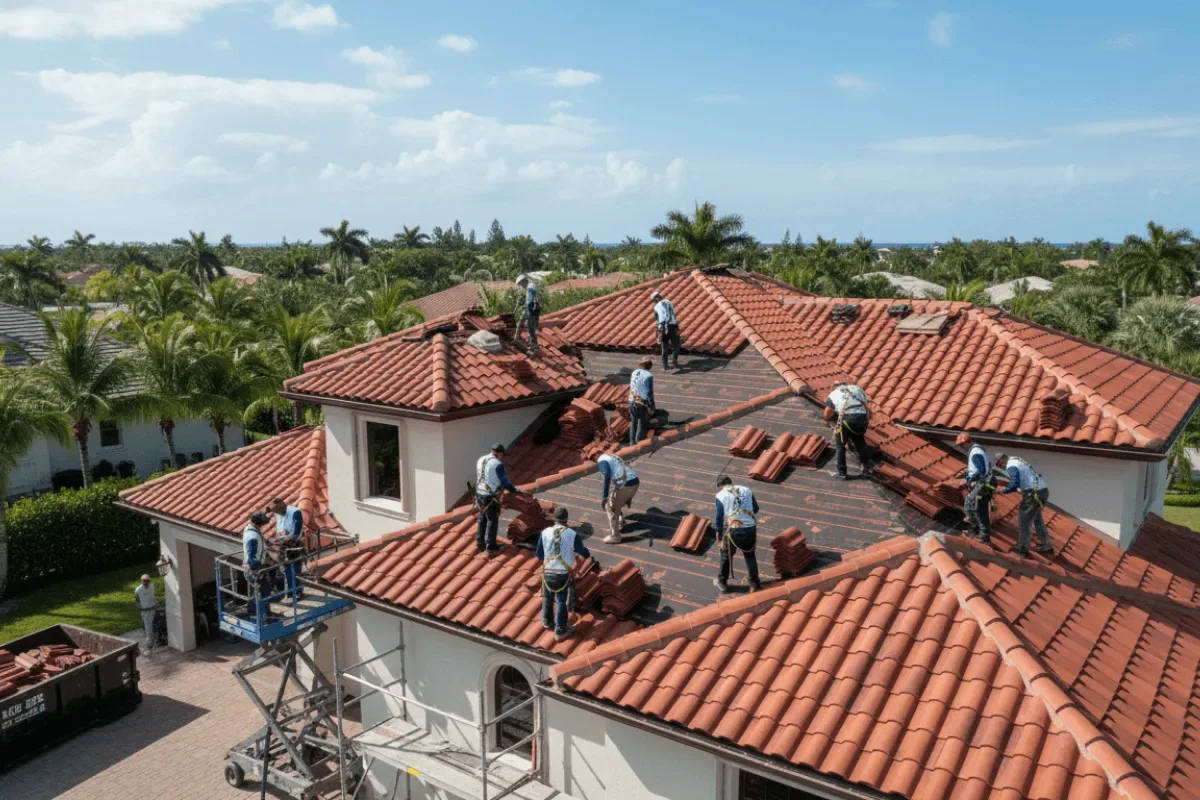

Roofing in Colorado is defined by hail before anything else. The Front Range corridor from Castle Rock through Colorado Springs and Pueblo is the core of hail alley, with frequent catastrophic warm-season hail layered over mountain snow load and foothills wildfire-ember exposure. That corridor is one of the most hail-battered stretches of the country, and hail is the engine that runs the residential re-roof business here — a surge-and-slump cycle where volume spikes after a storm and pulls crews on fast. The second thing that shapes a Colorado program pulls the other way: the state licenses no roofers at all. Roofing is regulated city by city, so there is no statewide credential a general contractor can look up. Put those together and the certificate of insurance ends up carrying the weight a license would carry anywhere else — the storm runs the work hard, and your coverage is what proves you can do it.
This page walks the Colorado-specific realities a roofing program has to answer for: the hail-driven peril profile that leads here, what actually drives cost, the municipal licensing posture and why the certificate of insurance matters so much, the claims we see, why Colorado roofers work with us, and the major markets across the state. The coverage lines themselves — general liability, workers compensation, commercial auto, contractors equipment, and umbrella — are covered in depth on their own pages; here the focus is how Colorado changes the emphasis.
Common Roofing Risks in Colorado
The Front Range peril profile is weighted toward hail and its aftermath, with mountain and foothills exposures layered on:
- Catastrophic warm-season hail. Frequent severe hail through the Castle Rock–Colorado Springs–Pueblo corridor drives the storm-surge residential re-roof cycle, best carried through residential roofing work, where the volume and the crews turn over fastest.
- Completed operations on storm-season work. A roof installed fast during a post-hail surge that later leaks is the products-completed-operations claim this trade turns on, answered under general liability — and Colorado’s hail frequency makes it the signature exposure statewide.
- Falls from height. The workers compensation exposure on every job, sharpened by the surge staffing that pulls temporary and subcontracted crews onto steep-slope work fast — which is why workers compensation is a core line here.
- Mountain snow load. High-country roofs carry structural snow load the plains do not, a different exposure than the hail belt.
- Foothills wildfire-ember. The wildland-urban interface raises ember exposure and Class A roofing considerations in the foothills markets.
What Roofing Contractor Insurance Costs in Colorado
There is no single Colorado price, because premium is driven by your operation, not your ZIP code alone. The cost drivers that matter most here:
- Payroll and crew classifications. Roofing is among the highest-severity workers compensation classes, and payroll is the base the exposure is rated on.
- Storm-season revenue swing. A hail-belt re-roofer’s volume spikes after a storm and pulls in temporary and subcontracted crews; that surge, and how you document and supervise it, is something underwriters weigh closely.
- The roofing you do. Steep-slope residential, low-slope hot-work commercial, and metal each carry a different completed-operations and fire profile, and each prices differently.
- The completed-operations tail on hail-repair work. How your general liability handles a leak that surfaces a season or two after a fast storm repair is central in a market this storm-driven.
- Claims history and subcontractor use. Prior losses and how you handle the additional-insured status of crews you sub to both move the number.
We price to the real operation rather than quoting a figure off the state name.
Colorado Roofing Regulations & Licensing
Colorado has no statewide general-contractor or roofing license; roofing licensing is entirely municipal (for example, Denver requires a contractor license plus a Specialty Class D supervisor certificate), so there are no statewide reciprocity agreements.
The practical effect for a roofing program is that in Colorado the certificate of insurance is doing the work a license does elsewhere. When there is no statewide credential to check, a general contractor, developer, or building owner leans harder on your coverage, your limits, and your additional-insured endorsements to decide whether to let you on the job — so the general liability program and its completed-operations and additional-insured terms carry weight a license would carry in a statewide-licensed state. Where a city such as Denver requires a contractor license plus a Specialty Class D supervisor certificate, that municipal credential and your certificate of insurance travel together.
The workers-comp reality. Colorado is a private-market workers compensation state; coverage is written by private carriers. Because a fall from a roof is the defining injury of this trade, and the hail-driven surge pulls crews onto steep-slope work fast, workers compensation is a core coverage decision for any Colorado roofer with a crew — one we read against your payroll and crew mix rather than treating as fine print, and one many general contractors require by contract.
Common Colorado Roofing Claims We See
Described qualitatively, with generic carrier language — every claim is handled by the carrier, never named here, and with no fabricated figures:
- The storm-surge leak. A residential re-roof installed during a hail-season rush that lets water in a season or two later, damaging the building interior — a completed-operations claim the carrier answers under general liability.
- The falls injury on a surge crew. A crew member hurt in a fall at height during a post-storm push, the workers compensation claim this trade turns on — placed with a private carrier in this private-market state.
- The commercial hot-work fire. A torch-down operation on a Pueblo-area flat roof that ignites, damaging the building and its contents — third-party property damage answered under general liability.
Why Colorado Roofers Choose Roofing Guard Insurance
We write one class — roofing contractors — and we place coverage with carriers that actually want the work. In Colorado that focus shows up in the questions we ask before we quote: how your storm-season volume and crew surge are staffed and documented; whether you pour your risk into steep-slope residential, low-slope hot-work, or metal; whether your general liability carries the completed-operations and additional-insured terms a Colorado general contractor will demand in place of the license the state does not issue; and how your municipal licensing and certificate of insurance travel together. When a certificate request lands on your desk mid-storm-season with requirements you do not recognize, that is a call we take.
Major Colorado Roofing Markets
Colorado is not one roofing market but several, each with its own peril and operating profile:
Denver and the metro Front Range
The state’s largest market runs on municipal licensing — Denver requires a contractor license plus a Specialty Class D supervisor certificate — over a dense stock of residential re-roofs and low-slope commercial, so the certificate of insurance is the gate a general contractor checks in place of a state license.
Colorado Springs and El Paso County
Sitting squarely in hail alley, this market takes catastrophic warm-season hail that drives a surge-and-slump re-roof cycle, pulls in storm-chasing competition, and stretches the completed-operations tail on shingle work installed in a hurry.
Castle Rock and the Palmer Divide
The high ground between Denver and Colorado Springs is the hail-alley epicenter, where storm frequency concentrates impact-damage re-roof demand and the completed-operations exposure on fast turnarounds more tightly than anywhere else in the state.
Pueblo and the southern Front Range
The southern end of the hail belt pairs frequent hail with a base of industrial low-slope roofs, so hot-work and torch-down fire exposure on flat commercial work sits alongside the residential storm-repair cycle.
Fort Collins and the northern Front Range
University and tech-driven growth adds new residential and commercial roofs, while hail and foothills wildfire-ember exposure push material choices toward impact- and ember-resistant systems that change the completed-operations profile.
Boulder and the foothills interface
The wildland-urban interface raises wildfire-ember exposure and Class A roofing requirements over a stock of high-value homes, which lifts completed-operations severity and material-replacement cost when a roof has to be reopened.
Related reading
Coverage for a Colorado roofing business works as a system. The lines that carry the most weight here are general liability (completed operations on fast hail-season re-roofs) and workers compensation (the falls exposure on surge crews), alongside commercial auto, contractors equipment, and umbrella liability when a contract demands higher limits. How the program is written also differs by the roofing you do across the three service pillars.
Coverage for Colorado roofers
- General Liability Insurance
- Workers Compensation Insurance
- Commercial Auto Insurance
- Contractors Equipment Insurance
- Umbrella Liability Insurance
The roofing you do
- Residential Roofing Insurance
- Commercial and Industrial Roofing Insurance
- Specialty, Metal, and Tile Roofing Insurance
Get covered
Colorado sources
Frequently asked questions about roofing insurance in Colorado
Do roofing contractors need a license in Colorado?
Not at the state level. Colorado has no statewide general-contractor or roofing license — roofing licensing is entirely municipal. Denver, for example, requires a contractor license plus a Specialty Class D supervisor certificate, and other cities and counties set their own rules, so there is no statewide reciprocity. The practical effect is that the certificate of insurance carries the weight a state license would carry elsewhere: with no state credential to check, a general contractor, developer, or building owner leans on your coverage, your limits, and your additional-insured endorsements to decide whether to let you on the job.
How does Front Range hail affect a Colorado roofing insurance program?
It is the defining factor. The Front Range corridor from Castle Rock through Colorado Springs and Pueblo is the core of hail alley, and hail is the engine of the residential re-roof business here. For an insurance program that means surge periods after a storm, temporary and subcontracted crews coming on fast, storm-chasing competition, and a completed-operations tail on work installed in a hurry — all of which underwriters look at closely. It is the operational reality we build the general liability and workers compensation around, rather than pricing a Colorado roofer as if the volume were steady.
If Colorado has no state license, what do general contractors check instead?
Your certificate of insurance and your municipal license where one applies. Because there is no statewide credential, the certificate does the work the license does in other states — a general contractor, developer, or building owner reads your general liability limits, your completed-operations coverage, and your additional-insured endorsements before letting you on the job. In practice the gate in Colorado is local permitting plus the contract, not a state license, which makes your insurance the credential that actually gets checked.
Does a Colorado roofer have to carry workers compensation?
Colorado is a private-market workers compensation state, so coverage is written by private carriers rather than through a state monopoly. It is not one of the four monopolistic states. Because a fall from a roof is the signature injury of this trade — and because the storm-driven surge pulls temporary and subcontracted crews onto steep-slope work fast — workers compensation is a core line for any Colorado roofer with a crew, and general contractors frequently require it by contract. We place it with carriers that write the roofing class.
How much does roofing contractor insurance cost in Colorado?
There is no single price, because premium is driven by your specific operation. In Colorado the biggest factors are your payroll and crew classifications (roofing is a high-severity workers compensation class), your storm-season revenue swing and use of temporary or subcontracted crews, the roofing you do — steep-slope residential, low-slope hot-work commercial, or metal — how your general liability handles the completed-operations tail on fast hail-repair work, and your claims history. A Colorado Springs hail-belt re-roofer, a Pueblo commercial contractor, and a Boulder foothills roofer each look very different to an underwriter. We price to the real operation rather than quoting a figure off the state name.
Do you write roofing insurance across all of Colorado?
Yes. Roofing Guard Insurance places coverage for roofing contractors across Colorado — from the Colorado Springs and Castle Rock hail belt to the Denver, Aurora, Fort Collins, Pueblo, and Boulder markets — and across the rest of the 48 states we serve. We write residential, commercial and industrial, and specialty metal and tile roofers, matched to how the operation actually runs in its part of the state.
Get a quote for your Colorado roofing business
Tell us where in Colorado you work, how your storm-season crews are staffed, and the roofing you do — and we will market it to carriers that write the class.