Roofing insurance by state
Roofing Contractor Insurance in Wyoming
What a Wyoming roofing program has to get right before a policy is written: workers compensation is available only through the state fund — private insurers may not write it, so stop-gap employer’s liability is bought separately — while extreme wind and heavy mountain snow load drive the private general liability program under locally-only contractor licensing.
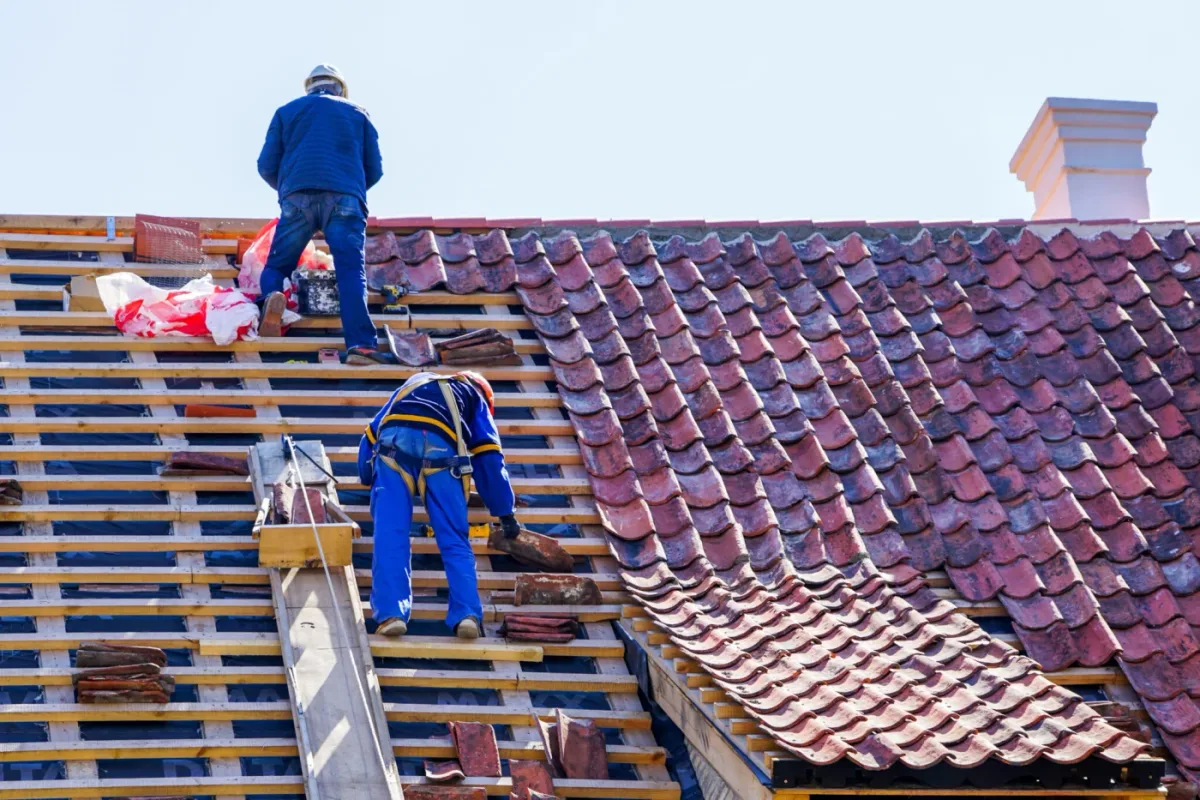

Roofing in Wyoming starts from a rule that changes the whole program: workers compensation is not something you buy from a private carrier here. Wyoming is a monopolistic state, which means required comp comes only through the state fund — and that single fact reshapes how the rest of the coverage has to be built. Layer on a climate that punishes roofs — Wyoming is among the windiest states, with heavy mountain snow load — and a licensing regime handled entirely at the city and county level, and you have a market where a generic business policy sold on the state name misses on the one thing that matters most. This page leads with the workers-comp reality because a Wyoming roofing program cannot be built correctly without it.
This page walks the Wyoming-specific realities a roofing program has to answer for: the state-fund workers-comp system and the local licensing posture first, then the state’s wind-and-snow peril profile, what actually drives cost, the claims we see, and the major markets across the state. The private coverage lines — general liability, commercial auto, contractors equipment, and umbrella — are covered in depth on their own pages; here the focus is how Wyoming changes the emphasis.
Wyoming Roofing Regulations & Licensing
The state-fund workers-comp reality. Wyoming is a monopolistic workers compensation state — required coverage is obtained only through the state fund administered by the Department of Workforce Services; private insurers may not write standard workers comp (stop-gap employer’s liability is bought separately). In plain terms: a Wyoming roofer does not shop workers compensation on the open market, because private insurers may not write it here — the required coverage comes from the state fund administered by the Department of Workforce Services, and there is no private-carrier alternative for that line. What a private program still has to supply is the employer’s-liability piece that a comp policy elsewhere would bundle in: that is bought separately as stop-gap employer’s liability, usually added to your general liability program, so an employee-injury suit is not left uncovered by the gap between the state fund and your private lines. Getting that coordination right — state-fund comp on one side, stop-gap employer’s liability on the other — is the defining coverage task for a Wyoming roofer, and we walk through it on the workers compensation page rather than treating it as fine print.
Local-only licensing. Wyoming has no statewide roofing or general-contractor license; contractor licensing is handled locally by cities and counties, and forested counties add wildland-urban-interface construction requirements. The practical effect for a roofing program is that with no statewide credential to check, a general contractor, developer, or building owner leans harder on your coverage, your limits, and your additional-insured endorsements to decide whether to let you on the job — so your general liability is doing the work a license does elsewhere. In the forested western counties, the wildland-urban-interface construction requirements also shape the assemblies and materials a roofer uses.
Common Roofing Risks in Wyoming
Wyoming is among the windiest states, with heavy mountain snow loads, southeast-corner hail-alley exposure, chinook downslope winds, and wildfire ember risk in its forested western ranges. That profile — extreme wind, heavy mountain snow, ember risk in the forested ranges — is what makes Wyoming a demanding roofing market, and it drives the exposures underwriters key on:
- Wind uplift and completed operations. In one of the windiest states, whether a roof was fastened to hold is the products-completed-operations question this trade turns on — the signature private-line exposure statewide.
- Falls from height. The workers-comp exposure at the center of the trade — required coverage runs through the state fund, while the employer’s-liability side is carried as stop-gap on the private program.
- Mountain snow load. Heavy, repeated loading across the ranges tests roofing assemblies and shapes the contractors equipment and installation exposure over a long winter.
- Wildfire ember and hot-work fire. Ember risk in the forested western ranges and torch-down fire on low-slope commercial roofs both answer under general liability.
What Roofing Contractor Insurance Costs in Wyoming
There is no single Wyoming price, because premium is driven by your operation, not your ZIP code alone. Required workers compensation runs through the state fund, so the private program we market is what gets priced to your business. The cost drivers that matter most here:
- The private program, not the comp line. Because comp comes from the state fund, the numbers we quote cover general liability, commercial auto, contractors equipment, umbrella, and the stop-gap employer’s liability that sits alongside the state-fund coverage.
- Wind and snow exposure. Extreme wind and heavy mountain snow load raise the completed-operations and installation stakes, and underwriters weigh how much of your work sits in the most exposed terrain.
- The roofing you do. Steep-slope residential, low-slope hot-work commercial, and metal each carry a different completed-operations and fire profile, and each prices differently.
- Forested wildland-urban-interface work. Ember-resistant assemblies and the wildland-urban-interface requirements of the forested counties change the material and installation profile underwriters look at.
- Claims history and subcontractor use. Prior losses and how you handle the additional-insured status of the crews you sub to both move the number.
We price the private lines to the real operation rather than quoting a figure off the state name.
Common Wyoming Roofing Claims We See
Described qualitatively, with generic carrier language — every claim is handled by the carrier or the state fund, never named here, and with no fabricated figures:
- The wind-uplift failure. A roof that lifts or peels in an extreme wind event because of how it was fastened, drawing a completed-operations claim over whether it was installed to hold — answered under general liability.
- The employer’s-liability suit. A crew member hurt in a fall pursues an employer’s-liability action beyond the state-fund benefit — the exposure the separately purchased stop-gap employer’s liability is there to answer.
- The commercial hot-work fire. A torch-down operation on a low-slope roof that ignites, damaging the building and its contents — third-party property damage answered under general liability.
Why Wyoming Roofers Choose Roofing Guard Insurance
We write one class — roofing contractors — and we place the private lines with carriers that actually want the work. In Wyoming that focus shows up in the questions we ask before we quote: how your state-fund workers-comp coverage and your stop-gap employer’s liability are coordinated so there is no gap between them; how much of your work sits in the highest-wind and heaviest-snow terrain; whether you run to steep-slope residential, low-slope hot-work, or metal; whether you work forested wildland-urban-interface areas; and whether your general liability and commercial auto carry the completed-operations and additional-insured terms a Wyoming general contractor will demand in place of the license the state does not issue. When a certificate request lands on your desk with requirements you do not recognize, that is a call we take.
Major Wyoming Roofing Markets
Wyoming is not one roofing market but several, each with its own peril and operating profile:
Cheyenne
The state’s largest city sits in the southeast corner near hail-alley exposure and takes heavy high-plains wind, so the mix of residential and commercial re-roof work leans on wind-uplift completed-operations questions — with the workers-comp line running through the state fund.
Casper
A central energy-sector economy pushes commercial and industrial low-slope roofs alongside residential work, where extreme wind and metal roofing raise both hot-work fire and wind-uplift exposure on the private general liability program.
Laramie
A high-elevation university town near the I-80 wind corridor takes some of the state’s most extreme wind together with heavy mountain snow load, so the structural snow-load and uplift exposures dominate the risk here.
Gillette
The Powder River energy hub carries a heavier stock of commercial and industrial low-slope and metal roofs, concentrating hot-work fire exposure and wind-driven completed-operations questions on local crews.
Rock Springs
A high-desert, wind-exposed market in the southwest where energy-sector commercial work meets extreme wind and winter snow, shifting the emphasis toward wind uplift and cold-season installation on low-slope roofs.
Sheridan
A Bighorn-foothills market where forested terrain adds wildland-urban-interface construction requirements and wildfire ember exposure on top of heavy mountain snow load, so ember-resistant assemblies and snow-load design shape the work.
Related reading
Coverage for a Wyoming roofing business works as a system. The lines that carry the most weight here are general liability (wind-uplift completed operations, and the stop-gap employer’s liability that sits alongside the state fund) and workers compensation (the state-fund-only reality), alongside commercial auto, contractors equipment, and umbrella liability when a contract demands higher limits. How the program is written also differs by the roofing you do across the three service pillars.
Coverage for Wyoming roofers
- General Liability Insurance
- Workers Compensation Insurance
- Commercial Auto Insurance
- Contractors Equipment Insurance
- Umbrella Liability Insurance
The roofing you do
- Residential Roofing Insurance
- Commercial and Industrial Roofing Insurance
- Specialty, Metal, and Tile Roofing Insurance
Get covered
Wyoming sources
Frequently asked questions about roofing insurance in Wyoming
Where does a Wyoming roofer get workers compensation?
Only from the state. Wyoming is a monopolistic workers compensation state — required coverage is obtained solely through the state fund administered by the Department of Workforce Services, and private insurers may not write standard workers compensation here. That is different from most states, where comp is placed with a private carrier. Because the state fund provides the required coverage, the employer’s-liability protection that a private comp policy would normally include is bought separately as stop-gap employer’s liability, typically added to your general liability program. We help you line up the private lines around the state-fund coverage so there is no gap between them.
Do roofing contractors need a license in Wyoming?
Not at the state level. Wyoming has no statewide roofing or general-contractor license; contractor licensing is handled locally by cities and counties, and requirements vary from one jurisdiction to the next. Forested counties add wildland-urban-interface construction requirements that can affect roofing assemblies and materials. Because there is no statewide credential to check, a general contractor, developer, or building owner leans harder on your coverage, your limits, and your additional-insured endorsements to decide whether to let you on the job — so your insurance is doing the work a license would do elsewhere.
How does Wyoming wind affect a roofing insurance program?
Wyoming is among the windiest states, and extreme wind, including chinook downslope winds, is a defining stressor on roofs here. Wind uplift tests how a roof was fastened and raises the completed-operations question of whether an installation will hold, which is the products-completed-operations exposure the general liability program has to answer for. It is the operational reality we build the private program around, rather than pricing a Wyoming roofer as if the wind were an occasional event.
What about snow load and wildfire in Wyoming?
Both matter. Heavy mountain snow load is a structural consideration across Wyoming’s ranges, and repeated loading tests roofing assemblies over a long winter. In the forested western ranges, wildfire ember risk and wildland-urban-interface construction requirements push toward ember-resistant assemblies and materials. A roofer working the mountain and forested markets carries a different exposure profile than one working the high plains, and we read that into the general liability and contractors equipment program.
How much does roofing contractor insurance cost in Wyoming?
There is no single price, because premium is driven by your specific operation. Because required workers compensation runs through the state fund rather than a private carrier, the private program we market — general liability, commercial auto, contractors equipment, umbrella, and stop-gap employer’s liability — is priced on your operation: the mix of steep-slope residential, low-slope hot-work commercial, and metal work you do, your exposure to extreme wind and mountain snow load, whether you work forested wildland-urban-interface areas, and your claims history. A Sheridan foothills roofer, a Casper commercial contractor, and a Cheyenne high-plains re-roofer each look very different. We price the private lines to the real operation rather than a generic guess.
Do you write roofing insurance across all of Wyoming?
Yes. Roofing Guard Insurance places the private lines for roofing contractors across Wyoming — from Cheyenne and Casper to Laramie, Gillette, Rock Springs, and Sheridan — and across the rest of the 48 states we serve. Required workers compensation comes through the state fund; we place the general liability, commercial auto, contractors equipment, umbrella, and stop-gap employer’s liability around it, matched to how the operation actually runs in its part of the state.
Get a quote for your Wyoming roofing business
Tell us where in Wyoming you work and the roofing you do, and how your state-fund workers-comp coverage is set up — and we will market the private lines to carriers that write the class.