Roofing insurance by state
Roofing Contractor Insurance in Maine
Maine roofing runs on two facts a generic policy never accounts for: long, severe winters that pile snow load and form ice dams, plus a nor’easter coast — and a state that issues no roofing license at all, leaving oversight to a written contract and local permitting. With no license to vouch for you, the certificate of insurance and the contract carry the weight.
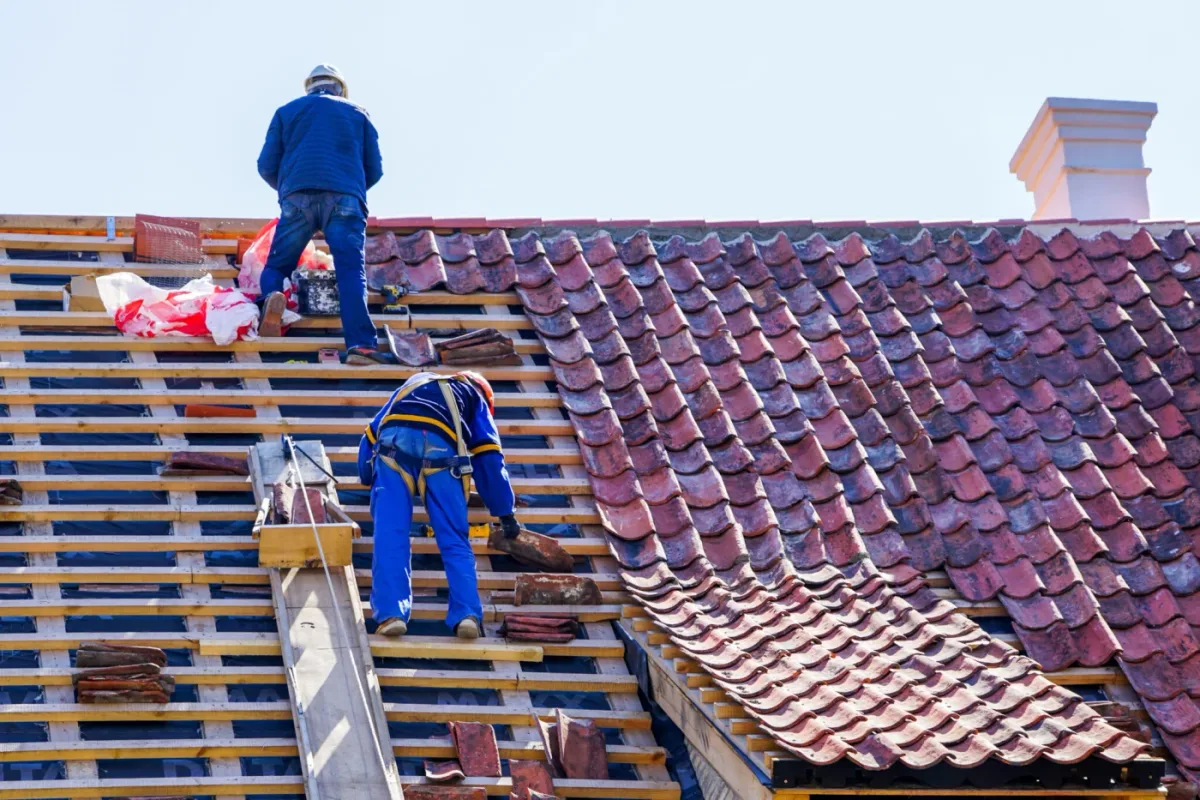

Roofing in Maine is defined by a hard winter and a light hand. The winter is the harder of the two: long, severe cold drives heavy snow load and forms ice dams that push meltwater back under the roof and into the building, while the long Atlantic coastline adds nor’easter wind-driven rain and salt air. That climate keeps a re-roof and repair business steady, but much of the work is installed in cold-weather windows, which raises the completed-operations question of whether a roof was sealed to hold once the thaw comes.
The light hand is the state itself. Maine issues no statewide roofing license — there is no roofing trade credential to earn. Oversight runs through a written home-improvement contract above a low threshold, contract-disclosure law, and local permitting. So nothing at the state level vouches for a roofer’s skill, and that changes what a program has to do: with no license to check, the certificate of insurance and the contract carry the weight a credential would carry elsewhere. This page leads with that posture, then walks the winter and coastal peril, what drives cost, the claims we see, and the major markets. The coverage lines — general liability, workers compensation, commercial auto, contractors equipment, and umbrella — are covered in depth on their own pages; here the focus is how Maine changes the emphasis.
Maine Roofing Regulations & Licensing
Maine has no statewide occupational roofing license; home-improvement contractors must provide a written contract above a low threshold, and roofing is otherwise governed by contract-disclosure law and local permitting rather than a state roofing license.
The practical effect for a roofing program is direct: in Maine the certificate of insurance and the written contract do the work a license does elsewhere. Because the state issues no roofing credential, a general contractor, developer, or building owner leans on your coverage, your limits, and your additional-insured endorsements — and on how the contract is written — to decide whether to let you on the job. That is why the general liability program and its completed-operations and additional-insured terms matter so much here, and why a clean certificate is the first thing a Maine owner asks for.
The workers compensation reality. Maine is a private-market workers compensation state; coverage is written by private carriers and is mandatory for employers. Because a fall from a roof is the defining injury of this trade — made worse by snow and ice underfoot through a long winter — the workers compensation line carries real weight, and general contractors routinely require proof of it before a crew is allowed on site.
Common Roofing Risks in Maine
Long, severe winters drive heavy snow load and ice-dam formation on roofs, and the extensive Atlantic coastline exposes structures to nor’easter wind-driven rain and salt air. That combination — deep winter inland, nor’easter wind on the coast — is what makes Maine a wear-and-storm-driven roofing market, and it drives the exposures underwriters key on:
- Ice-dam and freeze-thaw water intrusion. Meltwater backing up under shingles and flashing damages interiors — a completed-operations question of whether the underlayment and detailing were installed to handle a long winter.
- Structural snow load. On flat and low-slope roofs in the interior north, accumulated snow stresses the deck and membrane, concentrating winter-season failures.
- Completed operations on cold-weather work. A roof sealed in a winter installation window that later leaks is the products-completed-operations claim this trade turns on.
- Falls from height. The workers compensation exposure that defines the trade — a crew working at height, often on snow-slick steep-slope roofs.
- Coastal nor’easter wind and salt. On the southern and Casco Bay coast, wind-driven rain and salt corrosion put weight on wind detailing and storm-surge completed operations.
What Roofing Contractor Insurance Costs in Maine
There is no single Maine price, because premium is driven by your operation, not your ZIP code alone. The cost drivers that matter most here:
- Payroll and crew classifications. Roofing is among the highest-severity workers compensation classes, and payroll is the base the exposure is rated on.
- Winter-driven volume and cold-weather work. A snow-country re-roofer’s repair volume and cold-weather installation windows are something underwriters weigh closely.
- Coastal versus interior operations. A nor’easter-coast contractor working wind and salt looks different to an underwriter than an interior crew working deep snow load.
- The roofing you do. Steep-slope residential, low-slope hot-work commercial, and metal or tile each carry a different completed-operations and fire profile, and each prices differently.
- Contract terms and claims history. How your contracts are written, the additional-insured status of the crews you sub to, and prior losses all move the number.
We price to the real operation rather than quoting a figure off the state name. For fast steep-slope shingle re-roofs the residential roofing profile differs from a low-slope commercial program, and we underwrite to which one you actually run.
Common Maine Roofing Claims We See
Described qualitatively, with generic carrier language — every claim is handled by the carrier, never named here, and with no fabricated figures:
- The ice-dam interior leak. A residential roof where meltwater backs up under the shingles and soaks the ceiling and walls below — a completed-operations claim the carrier answers under general liability when the detailing is in question.
- The fall on a snow-slick job. A crew member injured working at height on a cold-weather steep-slope re-roof — the workers compensation claim the trade turns on.
- The commercial hot-work fire. A torch-down operation on a South Portland or waterfront low-slope roof that ignites, damaging the building and its contents — third-party property damage answered under general liability.
Why Maine Roofers Choose Roofing Guard Insurance
We write one class — roofing contractors — and we place coverage with carriers that actually want the work. In Maine that focus shows up in the questions we ask before we quote: how your winter and cold-weather volume is staffed and documented; whether you work the deep-snow interior or the nor’easter coast; whether your risk runs into steep-slope residential, low-slope hot-work, or metal and tile; and whether your general liability and certificate carry the completed-operations and additional-insured terms a Maine general contractor or property owner will demand in place of the license the state does not issue. When a certificate request lands on your desk with requirements you do not recognize, that is a call we take.
Major Maine Roofing Markets
Maine is not one roofing market but several, each with its own peril and operating profile:
Portland and Casco Bay
The state’s largest city pairs a historic-district steep-slope stock with waterfront commercial roofs, so tight-access re-roofs, ice-dam interior claims, and coastal wind exposure concentrate in one market with active local permitting.
South Portland and the harbor
Industrial, tank-farm, and commercial low-slope roofs along the working waterfront raise hot-work and torch-down fire exposure and the additional-insured demands that industrial and institutional contracts carry.
Lewiston and the Androscoggin Valley
A dense older mill-city housing stock drives steep-slope residential re-roof volume, where fall-from-height workers compensation exposure and ice-dam interior-water claims after hard winters shape the underwriting.
Bangor and the interior north
Some of the heaviest and longest-lasting snow load in the state stresses roofs here, pushing structural snow-load and ice-dam completed-operations claims to the front of the risk picture on both homes and commercial buildings.
Augusta and the Kennebec region
The capital region concentrates government and institutional roofs, whose public contracts carry stricter certificate-of-insurance and additional-insured requirements that a program has to be built to satisfy.
Biddeford and the southern coast
Coastal and former-mill housing along the southern shore sits in the nor’easter belt with salt exposure, so wind-driven-rain intrusion and the post-storm re-roof surge push contractors toward heavier coastal detailing and completed-operations emphasis.
Related reading
Coverage for a Maine roofing business works as a system. The lines that carry the most weight here are general liability (completed operations on cold-weather and ice-dam work) and workers compensation (the falls exposure on a work-at-height trade), alongside commercial auto, contractors equipment, and umbrella liability when a contract demands higher limits. How the program is written also differs by the roofing you do across the three service pillars.
Coverage for Maine roofers
- General Liability Insurance
- Workers Compensation Insurance
- Commercial Auto Insurance
- Contractors Equipment Insurance
- Umbrella Liability Insurance
The roofing you do
- Residential Roofing Insurance
- Commercial and Industrial Roofing Insurance
- Specialty, Metal, and Tile Roofing Insurance
Get covered
Maine sources
Frequently asked questions about roofing insurance in Maine
Do roofing contractors need a license in Maine?
No — Maine has no statewide occupational roofing license, and roofing is not a state-licensed trade. What applies instead is contract law: a home-improvement contractor must provide a written contract above a low threshold, and roofing is otherwise governed by contract-disclosure requirements and local permitting rather than a state credential. In practice the gate is the permit and the contract, which makes your certificate of insurance the credential a general contractor or property owner actually checks before letting a crew on the job.
If Maine has no roofing license, what protects the customer and the contractor?
Two things do the work a license would do elsewhere: the written contract and the certificate of insurance. Maine’s contract-disclosure law requires a written home-improvement contract above a low threshold, and local permitting governs the work — but neither certifies roofing skill, so general contractors, developers, and property owners lean on your coverage, your limits, and your additional-insured endorsements to decide whether to hire you. With no state license to vouch for the work, the certificate carries the weight, which is why the general-liability program and how the contract is written both matter here.
How do Maine winters change a roofing insurance program?
Long, severe winters drive heavy snow load and ice-dam formation, and the extensive Atlantic coastline adds nor’easter wind-driven rain and salt air. For an insurance program that means a steady re-roof and repair business, structural snow-load exposure on flat and low-slope roofs, ice-dam interior-water damage, and cold-weather installation windows that raise the completed-operations question of whether a roof was sealed to hold once the thaw comes. It is the operational reality we build the general liability and workers compensation around, rather than pricing a Maine roofer as if the seasons were mild.
Does a Maine roofer have to carry workers compensation?
Yes — Maine is a private-market workers compensation state and comp is mandatory for employers, written by private carriers rather than a state fund. Because a fall from a roof is the defining injury of this trade — made worse by snow and ice underfoot through a long winter — the workers compensation line carries real weight, and general contractors and project contracts routinely require proof of it before a crew is allowed on site. We place it with carriers that write the roofing class rather than treating it as a generic add-on.
How much does roofing contractor insurance cost in Maine?
There is no single price, because premium is driven by your operation. In Maine the biggest factors are your payroll and crew classifications (roofing is a high-severity workers compensation class), whether you work the heavy snow-load interior or the nor’easter coast, the roofing you do — steep-slope residential, low-slope hot-work, or metal and tile — the additional-insured and certificate demands your contracts carry, and your claims history. A Bangor snow-country re-roofer, a Portland historic-district contractor, and a South Portland commercial crew each look different to an underwriter. We price to the real operation rather than the state name.
Do you write roofing insurance across all of Maine?
Yes. Roofing Guard Insurance places coverage for roofing contractors across Maine — from Portland and South Portland on Casco Bay to Lewiston, the Bangor interior north, Augusta, and the Biddeford southern coast — and across the rest of the 48 states we serve. We write residential, commercial and industrial, and specialty metal and tile roofers, matched to how the operation actually runs in its part of the state.
Get a quote for your Maine roofing business
Tell us where in Maine you work — the deep-snow interior or the nor’easter coast — and the roofing you do, and we will market it to carriers that write the class.