Roofing insurance by state
Roofing Contractor Insurance in Louisiana
Louisiana is one of the most hurricane-exposed roofing markets in the country, and it backs that exposure with a tightened licensing regime — the state contractors board licenses roofing, and working unlicensed is a criminal offense. Add a state residual property market shaped by coastal risk, and a Louisiana roofing program answers questions no inland state raises.
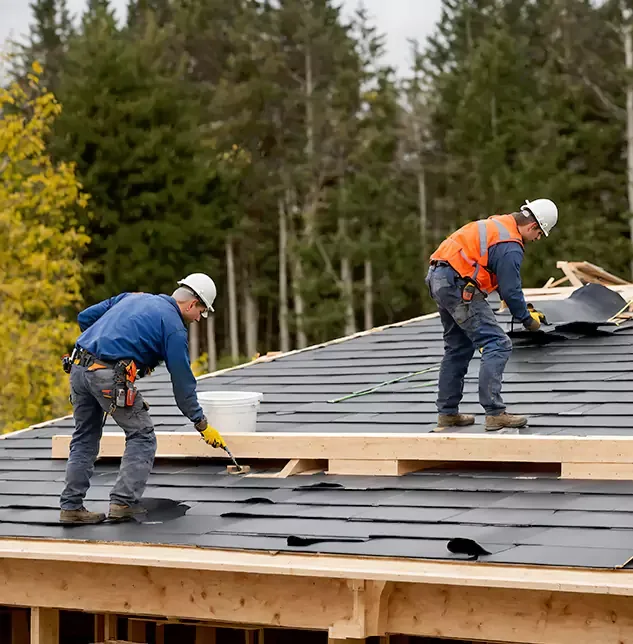

Roofing in Louisiana is shaped first by the Gulf. One of the most hurricane-exposed Gulf states, with pervasive tropical wind and coastal salt across the south and severe-storm wind inland; the state-created Louisiana Citizens Property Insurance Corporation is the residual insurer of last resort (a state entity, not a carrier). That puts the coastal south under some of the heaviest tropical-wind and salt exposure in the country, and it makes storm-driven re-roofing and repair the core of the business — with the completed-operations question of whether a roof will survive the next landfall never far from the surface.
The second thing that sets Louisiana apart is how seriously the state gates the trade. Unlike its light-touch Gulf neighbor to the west, Louisiana licenses roofing through the state contractors board and treats unlicensed roofing as a criminal offense — so the credential is a real barrier, and your coverage sits alongside it. This page walks the Louisiana-specific realities in the order they matter most: the coastal perils that drive the work, the tightened license regime, what moves cost here, the claims we see, and the major markets. The coverage lines themselves — general liability, workers compensation, commercial auto, contractors equipment, and umbrella — are covered in depth on their own pages; here the focus is how Louisiana changes the emphasis.
Common Roofing Risks in Louisiana
The coastal storm profile is what makes Louisiana a high-frequency roofing market, and it drives the exposures underwriters key on:
- Completed operations on storm-rush work. A roof installed fast after a landfall that later leaks or fails is the products-completed-operations claim this trade turns on — and Louisiana's storm volume makes it the signature exposure.
- Coastal wind uplift and salt. Tropical-wind uplift and salt-air corrosion test whether a roof was fastened and detailed to survive the next storm — a coastal durability question inland states never ask.
- Falls from height. Roofing is among the highest-severity workers compensation classes of any trade, and in a high-volume storm market the crew is at height constantly.
- Hot-work and torch-down fire. Concentrated on the low-slope commercial, institutional, and petrochemical-adjacent roofs of the Baton Rouge and New Orleans markets, where torch and heat operations carry a real ignition exposure.
Louisiana Roofing Regulations & Licensing
The Louisiana State Licensing Board for Contractors licenses roofing — residential roofing above a low threshold requires a residential roofing or residential construction license, with home-improvement registration in a middle band and a commercial license above the commercial threshold; unlicensed roofing is a criminal offense.
The practical effect is that in Louisiana the license and the certificate of insurance work together as a real gate — and because unlicensed roofing is a crime, a general contractor, developer, or building owner verifies both before letting you on the job. On top of the license, they lean on your general liability program, your limits, and your additional-insured endorsements, especially on coastal work where the completed-operations exposure is highest. A clean license and a well-built liability program are what let a resident contractor win work over the transient crews that follow every storm.
Workers compensation. Louisiana is a private-market workers compensation state; coverage is written by private carriers. Because a fall from a roof is the defining injury of this trade, the workers-comp decision is one of the most consequential coverage choices a Louisiana roofer makes — we walk through it against your crews and your contracts on the workers compensation page.
What Roofing Contractor Insurance Costs in Louisiana
There is no single Louisiana price, because premium is driven by your operation, not your parish alone. The cost drivers that matter most here:
- Payroll and crew classifications. Roofing is among the highest-severity workers compensation classes, and payroll is the base the exposure is rated on.
- Coastal versus inland footprint. A New Orleans or Lake Charles coastal contractor working the hurricane belt looks different to an underwriter than a Shreveport inland-wind roofer.
- Storm-season revenue swing. Volume that spikes after a landfall and pulls in temporary and subcontracted crews is something underwriters weigh closely.
- The roofing you do. Steep-slope residential, low-slope hot-work commercial, and metal or tile each carry a different completed-operations and fire profile.
- Claims history. Prior tropical-wind and workmanship losses and how you handled them move the number.
We price to the real operation rather than quoting a figure off the state name.
Common Louisiana Roofing Claims We See
Described qualitatively, with generic carrier language — every claim is handled by the carrier, never named here, and with no fabricated figures:
- The post-landfall leak. A coastal re-roof installed during a storm-season rush that lets water in a season or two later, damaging the building interior — a completed-operations claim the carrier answers under general liability.
- The wind-uplift failure. A roof that peels in the next tropical-wind event, raising a workmanship and completed-operations question the carrier evaluates on how it was fastened and detailed.
- The commercial hot-work fire. A torch-down operation on a low-slope roof that ignites, damaging the building and its contents — third-party property damage answered under general liability.
Why Louisiana Roofers Choose Roofing Guard Insurance
We write one class — roofing contractors — and we place coverage with carriers that actually want the work. In Louisiana that focus shows up in the questions we ask before we quote: how your coastal versus inland footprint shapes the completed-operations exposure; how your storm-season volume and crew surge are staffed and documented; whether you pour your risk into steep-slope residential, low-slope hot-work, or metal and tile; and whether your general liability carries the completed-operations and additional-insured terms a Louisiana general contractor will demand alongside your state license. When a certificate request lands on your desk after a landfall with requirements you do not recognize, that is a call we take.
Major Louisiana Roofing Markets
Louisiana is not one roofing market but several, each with its own storm and operating profile:
New Orleans and the southeast coast
The state’s largest metro sits directly in the hurricane track, where tropical-wind uplift, salt-air corrosion, and a dense stock of older residential and low-slope commercial roofs concentrate both re-roof surges after a storm and the completed-operations question of whether a roof will hold through the next one.
Baton Rouge and the Capital Region
An inland-but-still-exposed market where petrochemical and institutional low-slope roofs put weight on hot-work and torch-down fire exposure, alongside the tropical-wind risk that reaches well up from the coast.
Lafayette and Acadiana
A Gulf-proximate market with heavy exposure to landfalling storms, where high tropical-wind loads and rapid post-storm re-roof demand test both crew scaling and how a roof was fastened and detailed.
Lake Charles and southwest Louisiana
A market repeatedly in the landfall zone, where the completed-operations tail on storm-rush work and the salt-and-wind durability of coastal installs dominate the underwriting picture.
Shreveport and north Louisiana
A northern market where severe-storm and straight-line wind, rather than hurricanes, drive roof damage, shifting the claim pattern toward inland wind and hail repair away from the coastal tropical exposure.
The coastal parishes and residual-market work
Across the coastal parishes, property risk is backstopped by the state-created Louisiana Citizens Property Insurance Corporation as the residual insurer of last resort — a state entity, not a carrier — which shapes the property environment roofing contractors work within and raises the stakes on documented, code-compliant installs.
Related reading
Coverage for a Louisiana roofing business works as a system. The lines that carry the most weight here are general liability (completed operations on coastal storm work) and workers compensation (the falls-from-height exposure), alongside commercial auto, contractors equipment, and umbrella liability when a contract demands higher limits. How the program is written also differs by the roofing you do across the three service pillars.
Coverage for Louisiana roofers
- General Liability Insurance
- Workers Compensation Insurance
- Commercial Auto Insurance
- Contractors Equipment Insurance
- Umbrella Liability Insurance
The roofing you do
- Residential Roofing Insurance
- Commercial and Industrial Roofing Insurance
- Specialty, Metal, and Tile Roofing Insurance
Get covered
Louisiana sources
Frequently asked questions about roofing insurance in Louisiana
Do roofing contractors need a license in Louisiana?
Yes — Louisiana licenses roofing through the state contractors board, and the requirement is tiered by project value. Residential roofing above a low threshold requires a residential roofing or residential construction license, home-improvement registration applies in a middle band, and commercial roofing above the commercial threshold requires a commercial license. Importantly, working as an unlicensed roofing contractor is a criminal offense in Louisiana, so the license is not optional paperwork — it is a gate to legally bidding and performing the work, and general contractors and project owners verify it alongside your insurance.
How does hurricane exposure shape a Louisiana roofing insurance program?
Louisiana is one of the most hurricane-exposed Gulf states, with pervasive tropical wind and coastal salt across the south and severe-storm wind inland. For an insurance program that means sharp re-roof surges after a landfall, temporary and subcontracted crews coming on fast, and a heavy emphasis on the completed-operations question of whether an installed roof will survive the next storm. Salt exposure and wind-uplift detailing matter more here than almost anywhere, so we build the general liability and workers compensation around a storm-driven, coastal reality rather than pricing a Louisiana roofer as if the work were steady and inland.
What is Louisiana Citizens, and why does it matter to roofers?
The Louisiana Citizens Property Insurance Corporation is the state-created residual property insurer of last resort — a state entity, not a private carrier — that backstops coastal property risk when the private market pulls back. It does not insure your roofing business, but it shapes the property environment your customers operate in: in a tight coastal market, documented, code-compliant, well-detailed installs matter more, and the completed-operations exposure on your work carries higher stakes. Your own program — general liability, workers compensation, commercial auto, contractors equipment, and umbrella — is placed with private carriers.
Does a Louisiana roofer have to carry workers compensation?
Louisiana is a private-market workers compensation state — coverage is written by private carriers and is generally required once you have employees. Because roofing is among the highest-severity workers compensation classes of any trade, and a fall from a roof is the signature injury, the workers-comp line is one of the most consequential parts of a Louisiana roofing program, and many general contractors and project contracts require it regardless of crew size. We read the exposure against your actual payroll, crew classifications, and storm-season staffing.
How much does roofing contractor insurance cost in Louisiana?
There is no single price, because premium is driven by your specific operation. In Louisiana the biggest factors are your payroll and crew classifications (roofing is a high-severity workers compensation class), the type of roofing you do — steep-slope residential, low-slope hot-work, or metal and tile — your storm-season revenue swing and use of temporary or subcontracted crews, your coastal versus inland footprint, and your claims history in a market that produces frequent tropical-wind losses. A New Orleans coastal re-roofer and a Shreveport inland-wind contractor look very different to an underwriter, so we price to the real operation rather than the state name.
Do you write roofing insurance across all of Louisiana?
Yes. Roofing Guard Insurance places coverage for roofing contractors across Louisiana — from the New Orleans and Lake Charles coast to Baton Rouge, Lafayette, and the north around Shreveport — and across the rest of the 48 states we serve. We write residential, commercial and industrial, and specialty metal and tile roofers, matched to how the operation actually runs in its part of the state.
Get a quote for your Louisiana roofing business
Tell us where in Louisiana you work, your coastal or inland footprint, and the roofing you do — and we will market it to carriers that write the class.