
Roofing insurance by state
Roofing Contractor Insurance in Kansas
Kansas registers roofers through an unusual authority — a statewide roofing-contractor registration from the Attorney General is required to work for a fee — and it sits at the overlap of hail alley and Tornado Alley, carrying some of the nation’s highest hail-and-tornado roof exposure.
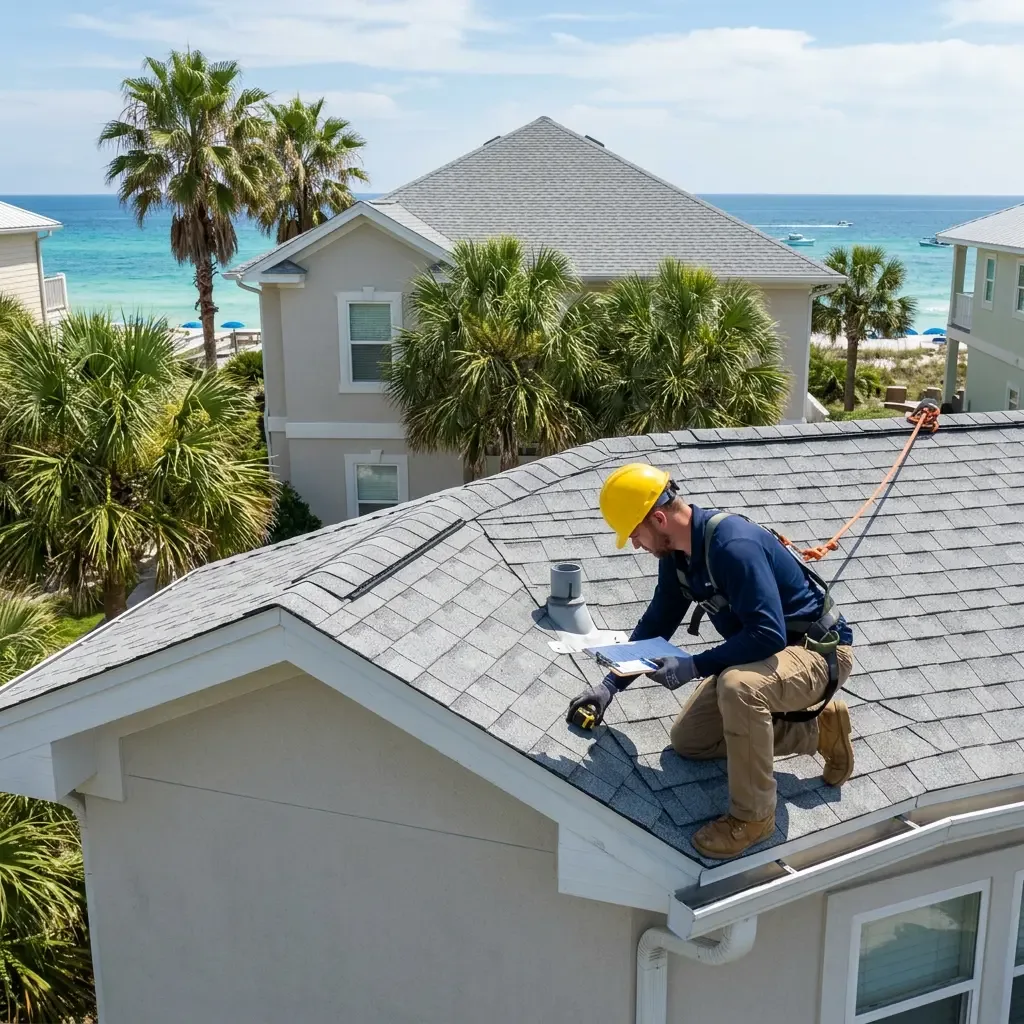

Roofing in Kansas answers to a credential most people have never heard of: not a trade license from a contractor board, but a registration from the state’s top law-enforcement office. To work for a fee, a Kansas roofing contractor has to register with the Attorney General under the state’s Roofing Contractor Registration Act — an authority chosen deliberately to police storm-chasing fraud rather than to test roofing skill. Set that unusual gate against the weather and the picture sharpens: Kansas sits at the overlap of hail alley and Tornado Alley, carrying some of the highest hail-and-tornado roof exposure in the country. The result is a high-volume, storm-driven trade where the state’s registration confirms you carry insurance, and your coverage is what actually gets you hired.
This page walks the Kansas-specific realities a roofing program has to answer for: what actually drives cost here, the Attorney-General registration and what it means for your coverage, the state’s hail-and-tornado peril profile, the claims we see, and the major markets across Kansas. The coverage lines themselves — general liability, workers compensation, commercial auto, contractors equipment, and umbrella — are covered in depth on their own pages; here the focus is how Kansas changes the emphasis.
What Roofing Contractor Insurance Costs in Kansas
There is no single Kansas price, because premium is driven by your operation, not your ZIP code alone. The cost drivers that matter most here:
- Payroll and crew classifications. Roofing is among the highest-severity workers compensation classes, and payroll is the base the exposure is rated on — the single biggest cost lever in Kansas.
- Storm-season revenue swing. A hail-and-tornado re-roofer’s volume spikes after an outbreak and pulls in temporary and subcontracted crews; that surge, and how you document and supervise it, is something underwriters weigh closely.
- The roofing you do. Steep-slope residential, low-slope hot-work commercial, and metal each carry a different completed-operations and fire profile, and each prices differently. The tools and gear behind that work are addressed under contractors equipment.
- Storm-chaser competition and subcontractor use. A Kansas hail outbreak draws out-of-state crews fast, and how you handle the additional-insured status of the crews you sub to moves the number.
- Claims history. Prior losses — especially wind-uplift and completed-operations claims — shape how a carrier reads the risk.
We price to the real operation rather than quoting a figure off the state name.
Kansas Roofing Regulations & Licensing
Kansas has no statewide roofing occupational license, but under the Kansas Roofing Contractor Registration Act every roofing contractor must obtain a roofing-contractor registration certificate from the Kansas Attorney General to work for a fee; local city or county licensing may also apply.
The practical effect for a roofing program is that the Attorney-General registration confirms you carry insurance rather than testing your craft — so in Kansas the certificate of insurance is doing the work a competency license does elsewhere. A general contractor, developer, or building owner leans on your coverage, your limits, and your additional-insured endorsements to decide whether to let you on the job, which is why the general liability program and its additional-insured endorsements matter so much here. The registration keeps you legal; the coverage is what gets you hired.
Workers compensation in a private, mandatory market. Kansas is a private-market workers compensation state; coverage is written by private carriers. Coverage is placed with a private carrier — Kansas is not a monopolistic state — and it is required for essentially every employer with employees. Because a fall from a roof is the defining injury of this trade, the comp decision is the most consequential coverage choice a Kansas roofer makes; we walk through it against your crews and your contracts on the workers compensation page rather than treating it as optional fine print.
Common Roofing Risks in Kansas
Kansas sits squarely in hail alley and Tornado Alley, with intense hail and tornadic or high-wind events as the dominant roof-damage drivers, plus winter freeze-thaw. That hail-and-tornado profile is what makes Kansas one of the most storm-driven roofing markets in the country, and it drives the exposures underwriters key on:
- Completed operations on storm-season work. A roof installed fast during a post-hail surge that later leaks or fails is the products-completed-operations claim this trade turns on — and Kansas’s storm volume makes it the signature exposure statewide.
- Falls from height. The workers compensation exposure that a mandatory-comp roofing state rates as high-severity — the crew is working at height on every job.
- Wind uplift and blow-off. Tornadic and straight-line wind that lifts fasteners and re-cover work, raising the question of whether the roof was installed to hold.
- Hot-work and torch-down fire. Concentrated on the low-slope commercial and industrial roofs of the Wichita and Kansas City markets.
Common Kansas Roofing Claims We See
Described qualitatively, with generic carrier language — every claim is handled by the carrier, never named here, and with no fabricated figures:
- The storm-surge leak. A residential re-roof installed during a hail-season rush that lets water in a season or two later, damaging the building interior — a completed-operations claim the carrier answers under general liability.
- The wind-uplift blow-off. A re-cover or shingle job that lifts in the next tornadic or straight-line wind event, leaving the building open and raising the completed-operations question of installation quality.
- The commercial hot-work fire. A torch-down operation on a Wichita or Kansas City flat roof that ignites, damaging the building and its contents — third-party property damage answered under general liability.
Why Kansas Roofers Choose Roofing Guard Insurance
We write one class — roofing contractors — and we place coverage with carriers that actually want the work. Kansas requires a statewide roofing-contractor registration through the Attorney General (not an occupational license) and carries some of the nation’s highest hail-and-tornado roof exposure, in a private workers-comp market. In Kansas that focus shows up in the questions we ask before we quote: how your storm-season volume and crew surge are staffed and documented after a hail or tornado outbreak, how you handle the additional-insured status of the storm-chasing crews you may sub to, whether you pour your risk into steep-slope residential, low-slope hot-work, or metal, and whether your general liability carries the completed-operations and additional-insured terms a Kansas general contractor will demand alongside your Attorney-General registration. When a contract calls for higher limits than your primary policy carries, we structure the umbrella to sit over the whole program. When a certificate request lands on your desk mid-storm-season with requirements you do not recognize, that is a call we take.
Major Kansas Roofing Markets
Kansas is not one roofing market but several, each with its own peril and operating profile:
Wichita and south-central Kansas
The state’s largest city sits in the heart of hail alley, where frequent large hail drives a surge-and-slump residential re-roof cycle and a flood of storm-chasing competition, while the aviation-industry base adds low-slope commercial and industrial roofs that concentrate hot-work exposure.
Kansas City (Wyandotte County)
The Kansas side of the metro carries a dense stock of urban commercial and industrial low-slope roofs, where re-cover and torch-down work on large square footage raises the fire and completed-operations profile beyond a straight residential book.
Overland Park and Johnson County
An affluent suburban corridor of high-value homes where a single hail outbreak triggers a wave of re-roof demand and out-of-state storm-chasers, putting extra weight on how a contractor documents subcontracted crews and additional-insured status.
Olathe and the growth corridor
Fast-paced Johnson County subdivision and commercial build-out pushes new-construction volume, so hail-driven re-roof demand and new-build completed-operations exposure land on the same crews at once.
Topeka and northeast Kansas
The capital sits in the tornado and high-wind corridor with a mix of government, commercial, and residential roofs, so wind-uplift blow-off and public-building flat-roof work sit alongside the hail re-roof book.
Lawrence and the Kaw Valley
A university market with an older housing stock and dense student-rental property, where storm-driven re-roof demand meets aging steep-slope roofs and absentee-owner property that shifts the claim pattern toward repair and water-intrusion work.
Related reading
Coverage for a Kansas roofing business works as a system. The lines that carry the most weight here are general liability (completed operations on storm-surge work) and workers compensation (a mandatory, high-severity class on a fall-driven trade), alongside commercial auto, contractors equipment, and umbrella liability when a contract demands higher limits. How the program is written also differs by the roofing you do across the three service pillars.
Coverage for Kansas roofers
- General Liability Insurance
- Workers Compensation Insurance
- Commercial Auto Insurance
- Contractors Equipment Insurance
- Umbrella Liability Insurance
The roofing you do
- Residential Roofing Insurance
- Commercial and Industrial Roofing Insurance
- Specialty, Metal, and Tile Roofing Insurance
Get covered
Kansas sources
Frequently asked questions about roofing insurance in Kansas
Do roofing contractors need a license in Kansas?
Kansas has no statewide occupational roofing license, but it does require statewide registration through an unusual authority. Under the Kansas Roofing Contractor Registration Act, every roofing contractor must obtain a roofing-contractor registration certificate from the Kansas Attorney General to work for a fee — the registration confirms the business exists and carries insurance rather than testing competency the way a trade license would. Local city or county licensing and permitting may also apply on top of the state registration. In practice the gate in Kansas is the Attorney General registration plus local permitting and the contract, so your insurance is what a general contractor actually checks before you work.
Does a Kansas roofer have to carry workers compensation?
Yes, for essentially every employer with employees. Kansas is a private-market workers compensation state — coverage is placed with a private carrier, not a state fund, and Kansas is not a monopolistic state. For a roofing business this is the most consequential coverage there is: a fall from a roof is the defining injury of the trade, and roofing is among the highest-severity workers compensation classifications. Most general contractors and project contracts also require proof of comp before you set foot on a job. We read your crew mix and subcontractor use against that requirement rather than treating it as a box to check.
How does hail and tornado exposure affect a Kansas roofing insurance program?
Kansas sits squarely in hail alley and Tornado Alley, and that overlap is the engine of the re-roof business. For an insurance program it means intense surge periods after a storm, temporary and subcontracted crews coming on fast, and a completed-operations tail on work installed in a hurry — plus wind-uplift and blow-off exposure from tornadic and straight-line events. All of that is exactly what underwriters look at closely. It is the operational reality we build the general liability and workers compensation around, rather than pricing a Kansas roofer as if the volume were steady.
What does the Attorney General registration mean for my insurance?
The registration itself requires a roofing contractor to be registered with the Kansas Attorney General and to maintain insurance, so your coverage is tied to your ability to operate legally, not just to your contracts. Because the registration confirms insurance rather than testing skill, general contractors, developers, and building owners still lean on your certificate of insurance, your limits, and your additional-insured endorsements to decide whether to let you on the job. The registration keeps you legal; the coverage is what actually gets you hired.
How much does roofing contractor insurance cost in Kansas?
There is no single price, because premium is driven by your specific operation. In Kansas the biggest factors are your payroll and crew classifications (roofing is a high-severity workers compensation class), your storm-season revenue swing and use of temporary or subcontracted crews after a hail or tornado outbreak, the type of roofing you do — steep-slope residential, low-slope hot-work commercial, or metal — and your claims history. A Wichita hail-belt residential re-roofer, a Kansas City commercial low-slope contractor, and an Olathe new-construction crew each look very different to an underwriter. We price to the real operation rather than a generic guess.
Do you write roofing insurance across all of Kansas?
Yes. Roofing Guard Insurance places coverage for roofing contractors across Kansas — from the Wichita hail belt and the Kansas City, Overland Park, and Olathe metro corridor to the Topeka and Lawrence markets — and across the rest of the 48 states we serve. We write residential, commercial and industrial, and specialty metal roofers, matched to how the operation actually runs in its part of the state.
Get a quote for your Kansas roofing business
Tell us where in Kansas you work, how your storm-season crews are staffed, and the roofing you do — and we will market it to carriers that write the class.