Roofing insurance by state
Roofing Contractor Insurance in Connecticut
A Connecticut roofing program has to cover two different states at once: a Long Island Sound shoreline that draws nor’easter wind and salt, and a snowier interior and hills that carry winter snow load and freeze-thaw — under a state that licenses no roofers and runs residential work through Home Improvement Contractor registration.
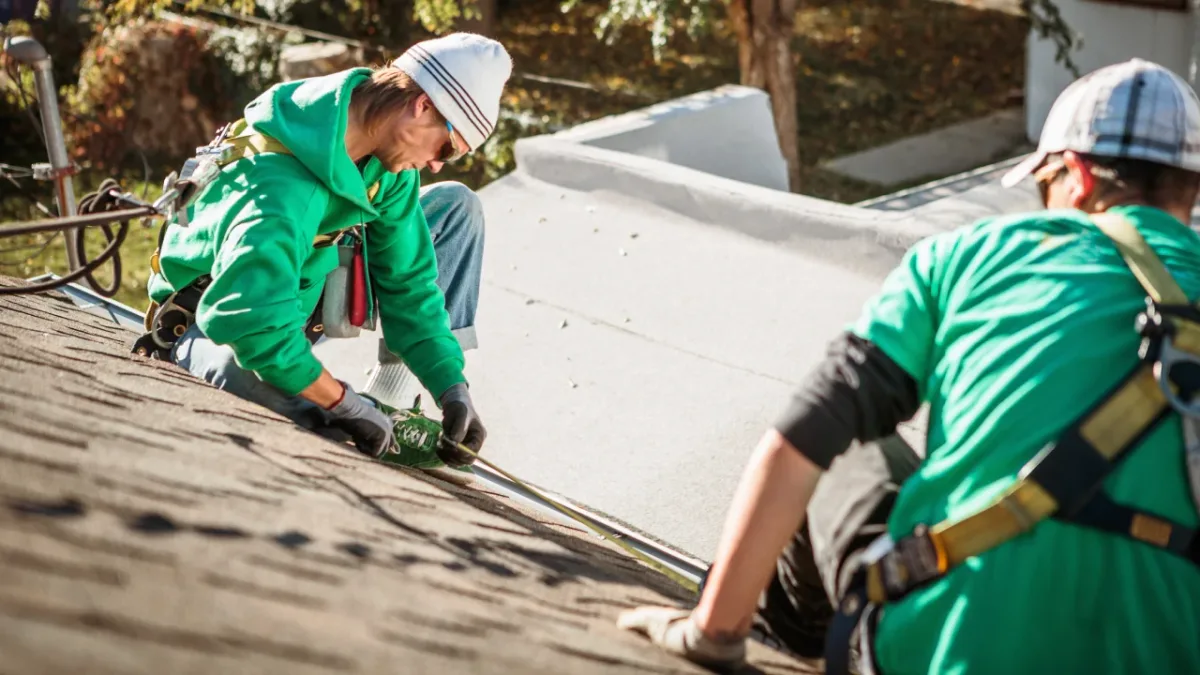

Roofing in Connecticut answers to a geography that pulls a program in two directions at once. Connecticut’s Long Island Sound shoreline draws nor’easter and occasional tropical wind and salt exposure, while its interior and hills see meaningful winter snow load and freeze-thaw cycling. A contractor who works the coast and the hills is not running one roofing business but two exposure profiles — coastal wind-and-salt on one hand, interior weight-and-freeze on the other — and a generic business policy treats them as the same job. On top of that split sits a state that issues no dedicated roofing license, so the credential a general contractor actually checks is your registration and your certificate of insurance.
This page walks the Connecticut-specific realities a roofing program has to answer for: the shoreline-versus-interior risk split, the Home Improvement Contractor registration under the Home Improvement Act, what actually drives cost here, the claims we see, and the major markets across the state. The coverage lines themselves — general liability, workers compensation, commercial auto, contractors equipment, and umbrella — are covered in depth on their own pages; here the focus is how Connecticut changes the emphasis.
Common Roofing Risks in Connecticut
Connecticut’s Long Island Sound shoreline draws nor’easter and occasional tropical wind and salt exposure, while its interior and hills see meaningful winter snow load and freeze-thaw cycling. That two-zone weather profile — nor’easter wind and salt on the Sound, snow load and freeze-thaw inland — is what makes Connecticut a split roofing market, and it drives the exposures underwriters key on:
- Coastal wind uplift and salt corrosion. On the Sound shoreline from Bridgeport through Norwalk, nor’easter and occasional tropical wind test whether a roof was installed to survive the next storm, while salt air ages coastal roofs faster — the shoreline’s signature exposure.
- Snow load and ice-dam water intrusion. In the Hartford and Waterbury interior and the hills, winter weight and freeze-thaw cycling back water up under the roof, producing the interior claim that later surfaces as a completed-operations loss.
- Falls from height. The workers compensation exposure that runs through every roofing job in the state — the crew is working at height whether the roof is coastal or inland.
- Hot-work and torch-down fire. Concentrated on the low-slope commercial and institutional roofs of the New Haven and Hartford building stock.
Connecticut Roofing Regulations & Licensing
Connecticut has no dedicated roofing license, but the Home Improvement Act requires anyone contracting residential work above a low threshold to register as a Home Improvement Contractor with the Department of Consumer Protection and carry general-liability insurance.
The practical effect for a roofing program is that in Connecticut the registration and the certificate of insurance are doing much of the work a competency license does elsewhere. When there is no dedicated roofing exam to point to, a homeowner, general contractor, or building owner leans harder on your Home Improvement Contractor registration, your coverage, your limits, and your additional-insured endorsements to decide whether to let you on the job — which is why the general liability program and its additional-insured endorsements matter so much here.
The workers-comp reality. Connecticut is a private-market workers compensation state; coverage is written by private carriers. Coverage is mandatory for employers with employees, and because a fall from a roof is the defining injury of this trade, the comp decision is among the most consequential coverage choices a Connecticut roofer makes — we walk through the class code and payroll exposure against your crews on the workers compensation page rather than treating it as fine print.
What Roofing Contractor Insurance Costs in Connecticut
There is no single Connecticut price, because premium is driven by your operation, not your ZIP code alone. The cost drivers that matter most here:
- Payroll and crew classifications. Roofing is among the highest-severity workers compensation classes, and payroll is the base the exposure is rated on — the single biggest cost lever in a mandatory-comp state like Connecticut.
- Coastal versus interior operations. A Stamford coastal commercial roofer working the nor’easter and salt belt looks different to an underwriter than a Waterbury interior re-roofer working snow load and freeze-thaw.
- The roofing you do. Steep-slope residential, low-slope hot-work commercial, and metal each carry a different completed-operations and fire profile, and each prices differently.
- Storm-season revenue swing. Volume that spikes after a nor’easter or a hard freeze pulls in temporary and subcontracted crews; that surge, and how you document and supervise it, is something underwriters weigh closely.
- Claims history and subcontractor use. Prior losses and how you handle the additional-insured status of the crews you sub to both move the number.
We price to the real operation rather than quoting a figure off the state name.
Common Connecticut Roofing Claims We See
Described qualitatively, with generic carrier language — every claim is handled by the carrier, never named here, and with no fabricated figures:
- The ice-dam interior loss. An interior re-roof where winter freeze-thaw backs water up under the roof and into the building interior a season later — a completed-operations claim the carrier answers under general liability.
- The coastal wind-uplift failure. A shoreline roof that lifts or fails in a nor’easter and lets water into the structure, raising the question of whether it was installed to survive coastal wind — third-party property damage answered under general liability.
- The fall-from-height injury. A crew member hurt in a fall on a steep-slope job, the signature workers compensation claim in a trade where every crew works at height.
Why Connecticut Roofers Choose Roofing Guard Insurance
We write one class — roofing contractors — and we place coverage with carriers that actually want the work. In Connecticut that focus shows up in the questions we ask before we quote: whether your book leans coastal wind-and-salt or interior snow-and-freeze, or spans both; how your storm-season volume and crew surge are staffed and documented; whether you pour your risk into steep-slope residential, low-slope hot-work, or metal; and whether your general liability carries the completed-operations and additional-insured terms a Connecticut general contractor will demand alongside your Home Improvement Contractor registration. When a certificate request lands on your desk mid-season with requirements you do not recognize, that is a call we take. Higher-limit contracts are where the umbrella liability line comes in.
Major Connecticut Roofing Markets
Connecticut is not one roofing market but several, each with its own peril and operating profile:
Bridgeport and the Sound harbor
The state’s largest city sits on Long Island Sound, where nor’easter wind and salt-air corrosion work a dense stock of older, tightly-spaced housing — concentrating coastal wind uplift and the completed-operations question of whether a re-roof will hold through the next storm.
New Haven
A Sound-front port with heavy university and hospital campus building stock puts low-slope commercial and institutional roofs into the mix, so hot-work fire exposure on flat roofs meets the shoreline’s nor’easter and salt loading in one market.
Hartford and the interior capital
The inland capital’s dense commercial and institutional building stock sits away from the coast but squarely in the snow-load and freeze-thaw zone, shifting the claim pattern toward ice-dam water intrusion and weight-driven low-slope failures rather than salt and wind.
Stamford and lower Fairfield County
The corporate corridor along I-95 near the New York line carries high-value commercial and custom-residential roofs on the coast, raising material-cost and installation-precision stakes on top of Sound-shoreline wind and salt exposure.
Waterbury and the interior hills
A Naugatuck Valley market of older brass-city housing stock in the hills sees some of the heaviest interior snow load and freeze-thaw cycling in the state, where ice damming and steep-slope re-roof work drive the completed-operations tail.
Norwalk and the coastal Fairfield shore
A harbor market on the Sound where nor’easter wind uplift and salt corrosion age coastal roofs faster, so the emphasis lands on wind-rated installation and whether a roof was built to survive the next coastal storm.
Related reading
Coverage for a Connecticut roofing business works as a system. The lines that carry the most weight here are general liability (completed operations on coastal and ice-dam work) and workers compensation (the falls exposure on a mandatory-comp trade), alongside commercial auto, contractors equipment, and umbrella liability when a contract demands higher limits. How the program is written also differs by the roofing you do across the three service pillars.
Coverage for Connecticut roofers
- General Liability Insurance
- Workers Compensation Insurance
- Commercial Auto Insurance
- Contractors Equipment Insurance
- Umbrella Liability Insurance
The roofing you do
- Residential Roofing Insurance
- Commercial and Industrial Roofing Insurance
- Specialty, Metal, and Tile Roofing Insurance
Get covered
Connecticut sources
Frequently asked questions about roofing insurance in Connecticut
Do roofing contractors need a license in Connecticut?
Connecticut does not issue a dedicated roofing license, but roofing is not unregulated either. Under the Home Improvement Act, anyone contracting residential work above a low threshold must register as a Home Improvement Contractor with the Department of Consumer Protection and carry general-liability insurance. On the commercial side and for permitting, local building officials set requirements job by job. The practical effect is that your registration and your certificate of insurance — not a trade-competency exam — are what a general contractor, developer, or homeowner checks before you go on the job.
How does the shoreline-versus-interior split change a Connecticut roofing program?
Connecticut is really two roofing climates. The Long Island Sound shoreline from Greenwich through Bridgeport and New Haven draws nor’easter and occasional tropical wind plus salt exposure, which ages coastal roofs and puts weight on wind-rated installation and coastal completed operations. The interior and hills — Hartford, Waterbury, and the Litchfield hills — see meaningful winter snow load and freeze-thaw cycling, which drives ice-dam water intrusion and weight-related low-slope failures. A contractor who works both zones is underwriting two different exposure profiles, and we build the program to answer whichever one your book leans toward.
Does a Connecticut roofer have to carry workers compensation?
Yes. Connecticut requires workers compensation for employers with employees, and it is a private-market state — coverage is written by private carriers, not a state fund. Because a fall from a roof is the signature injury of this trade, the workers compensation line is the one an underwriter looks at hardest, and general contractors routinely require proof of it before letting a crew on site. We read the class code and payroll exposure against how your crews actually run rather than treating comp as a box to check.
What coverage matters most for coastal Connecticut roofing work?
A roofer working the Sound shoreline operates in the nor’easter wind belt with salt exposure and, in the denser coastal cities, a heavier concentration of low-slope commercial roofs. That raises hot-work and torch-down fire exposure on flat-roof work and puts more weight on the completed-operations question of whether an installed roof will hold through the next coastal storm. The core lines are the same statewide, but the coastal emphasis leans harder on general liability completed operations and the additional-insured terms a coastal general contractor will demand.
How much does roofing contractor insurance cost in Connecticut?
There is no single Connecticut price, because premium is driven by your specific operation. The biggest factors here are your payroll and crew classifications (roofing is a high-severity workers compensation class), whether your work leans coastal wind-and-salt or interior snow-and-freeze, the roofing you do — steep-slope residential, low-slope hot-work, or metal — your storm-season revenue swing and use of temporary or subcontracted crews, and your claims history. A Fairfield County coastal commercial roofer and a Litchfield-hills residential re-roofer look very different to an underwriter. We price to the real operation rather than a figure off the state name.
Do you write roofing insurance across all of Connecticut?
Yes. Roofing Guard Insurance places coverage for roofing contractors across Connecticut — from the Bridgeport, Stamford, and Norwalk shoreline to the Hartford and Waterbury interior — and across the rest of the 48 states we serve. We write residential, commercial, and specialty metal roofers, matched to whether the operation runs the coast, the interior, or both.
Get a quote for your Connecticut roofing business
Tell us where in Connecticut you work — the Sound shoreline, the interior and hills, or both — and the roofing you do, and we will market it to carriers that write the class.